










We use cookies for analytics and marketing to improve your experience and measure content. You can accept or decline non-essential cookies.
We use cookies for analytics and marketing to improve your experience and measure content. You can accept or decline non-essential cookies.
Jeremy Grantham labeled Bitcoin a useless, speculative asset, but recent data shows the cryptocurrency’s supply dynamics and the shift of illicit activity to stablecoins undermine his core arguments.
The Crypto Frontiers Editorial Desk · Published July 18, 2026 at 11:05 PM UTC
Bitcoin’s recent price slump has reignited debate over its long‑term relevance.
In late June, billionaire investor Jeremy Grantham appeared on CNBC’s Squawk Box and described Bitcoin as a "useless, speculative" asset that would "dwindle away, I suspect, not with a bang, but a whimper" over the coming decades. Grantham’s view aligns with other high‑profile skeptics such as Warren Buffett, who once called Bitcoin "rat poison squared," and Charlie Munger, who has voiced similar concerns. The criticism resurfaced as Bitcoin’s price fell roughly 48% from its October 2025 all‑time high of $126,080, providing fresh ammunition for detractors.
Grantham’s most pointed criticism is that Bitcoin merely enables fraudsters to move money. While that characterization held some truth in Bitcoin’s early years, the 2026 Crypto Crime Report from Chainalysis—an independent blockchain analytics firm—indicates a dramatic shift. The report finds that stablecoins now account for 84% of illicit on‑chain volume, as criminals favor assets that are less transparent than Bitcoin’s immutable ledger. This data directly refutes Grantham’s assertion that Bitcoin remains the primary conduit for illicit transfers.
Beyond the debate over illicit use, Grantham highlights Bitcoin’s price collapse after October 2025 despite a strong equity market. That observation is factually correct, yet it overlooks Bitcoin’s core economic design. Two pillars underpin its value proposition:
Grantham’s skepticism about Bitcoin’s volatility is not unfounded; the asset is known for sharp price movements. However, his broader dismissal neglects the structural factors that differentiate Bitcoin from traditional fiat money and many newer crypto tokens. The migration of illicit activity toward stablecoins underscores Bitcoin’s relative transparency, while its immutable supply continues to appeal to investors seeking a hedge against inflationary pressures.
While prominent investors may disagree on Bitcoin’s role in a diversified portfolio, the data points presented—price level, supply dynamics, and the evolving landscape of illicit on‑chain activity—suggest that Grantham’s characterization is incomplete. Bitcoin’s unique scarcity and traceability, combined with a market that still values its tokenomics, indicate that the cryptocurrency is likely to persist as a contested yet enduring asset class.
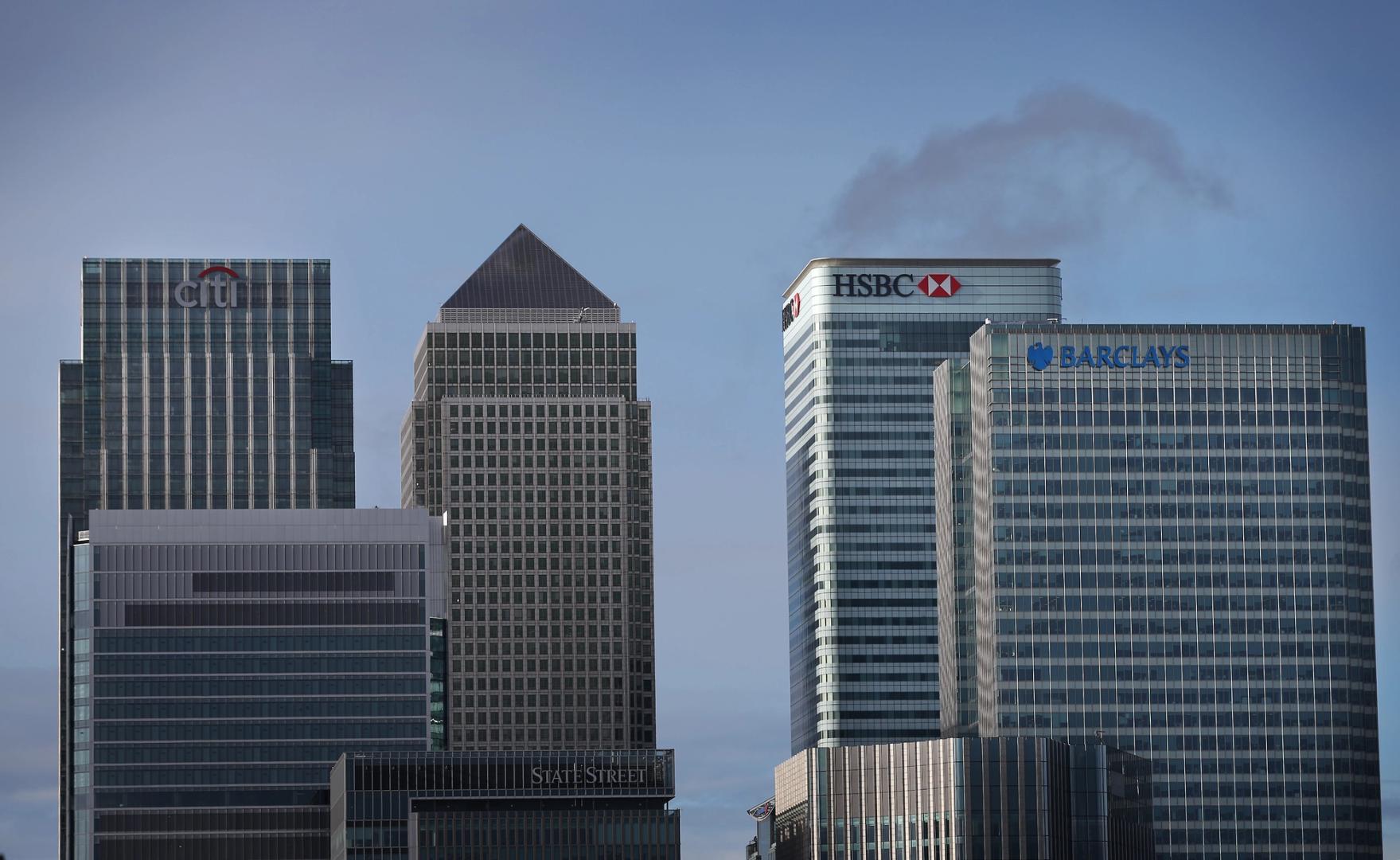
A Broadridge survey shows that 84% of financial firms now view tokenization as a strategic priority, with Wall Street accelerating efforts and betting on hybrid markets where digital and traditional assets coexist.

Two Uniswap governance proposals will direct new fees into the UNI burn system created by the December UNIfication overhaul, with voting open from July 19 to July 26.

A new Bitcoin client dubbed DOG Mode opposes BIP 110’s data‑restriction proposal, requiring no network vote and highlighting the split among developers and miners.

