We use cookies for analytics and marketing to improve your experience and measure content. You can accept or decline non-essential cookies.
We use cookies for analytics and marketing to improve your experience and measure content. You can accept or decline non-essential cookies.
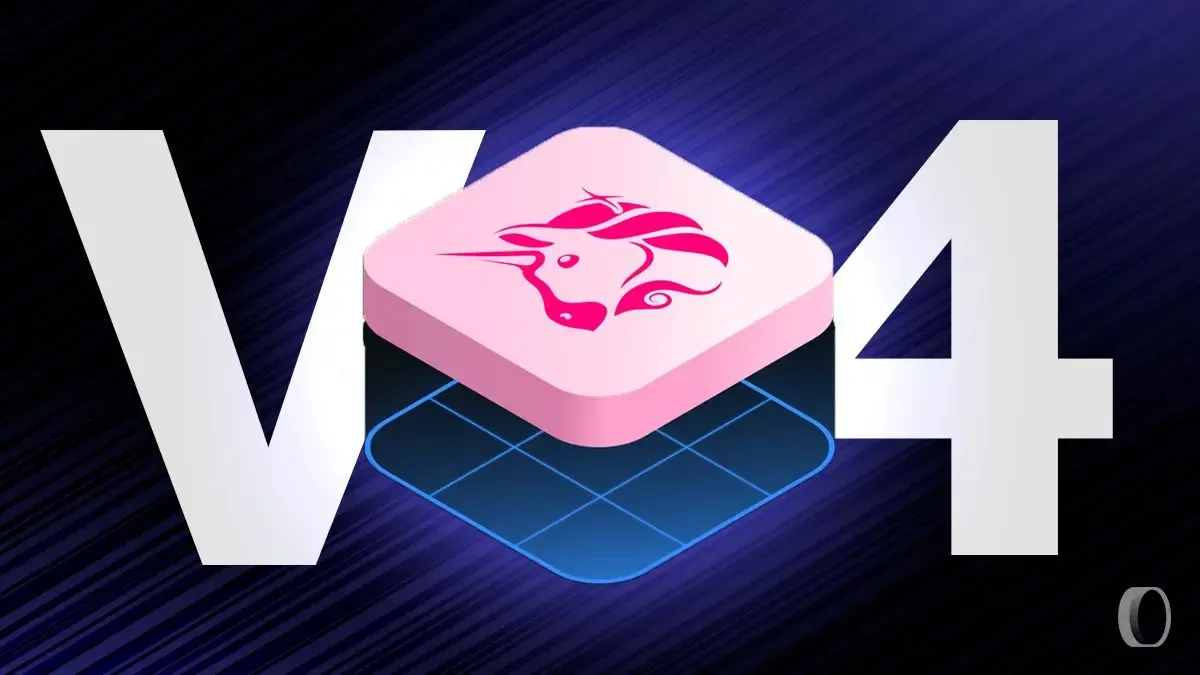
Two Uniswap governance proposals will direct new fees into the UNI burn system created by the December UNIfication overhaul, with voting open from July 19 to July 26.
The Crypto Frontiers Editorial Desk · Published July 18, 2026 at 7:06 PM UTC · Updated July 18, 2026 at 7:27 PM UTC
Uniswap’s upcoming governance vote could boost the token‑burn mechanism that underpins the UNI token’s scarcity.
Uniswap’s community is set to vote on two distinct proposals. One concerns the fee model for the upcoming Uniswap v4 protocol, while the other addresses the integration of the Robinhood Chain. The common element linking both items is the decision to direct any new fees generated by these changes into the UNI token burn mechanism.
The UNI burn system was introduced in December as part of the “UNIfication” overhaul. Its purpose is to periodically destroy a portion of UNI tokens collected from protocol fees, thereby reducing supply and potentially supporting token value. The system operates automatically once fee revenue is allocated to it.
Because the proposals stipulate that new fees will be funneled into the burn system, the total volume of UNI tokens slated for destruction is likely to rise. The headline of the source article frames this as the burn being “poised to grow,” indicating an expectation of increased token removal once the proposals pass.
The Uniswap governance process opens for voting on July 19 and closes on July 26. Token holders can cast their votes directly on‑chain, and the outcome will determine whether the fee routing changes are implemented. No further details about the proposals have been released beyond the fee‑routing component.
In summary, the two proposals aim to channel additional protocol fees into the existing UNI burn mechanism, and the community will decide their fate during the week‑long voting period ending on July 26.
Jeremy Grantham labeled Bitcoin a useless, speculative asset, but recent data shows the cryptocurrency’s supply dynamics and the shift of illicit activity to stablecoins undermine his core arguments.
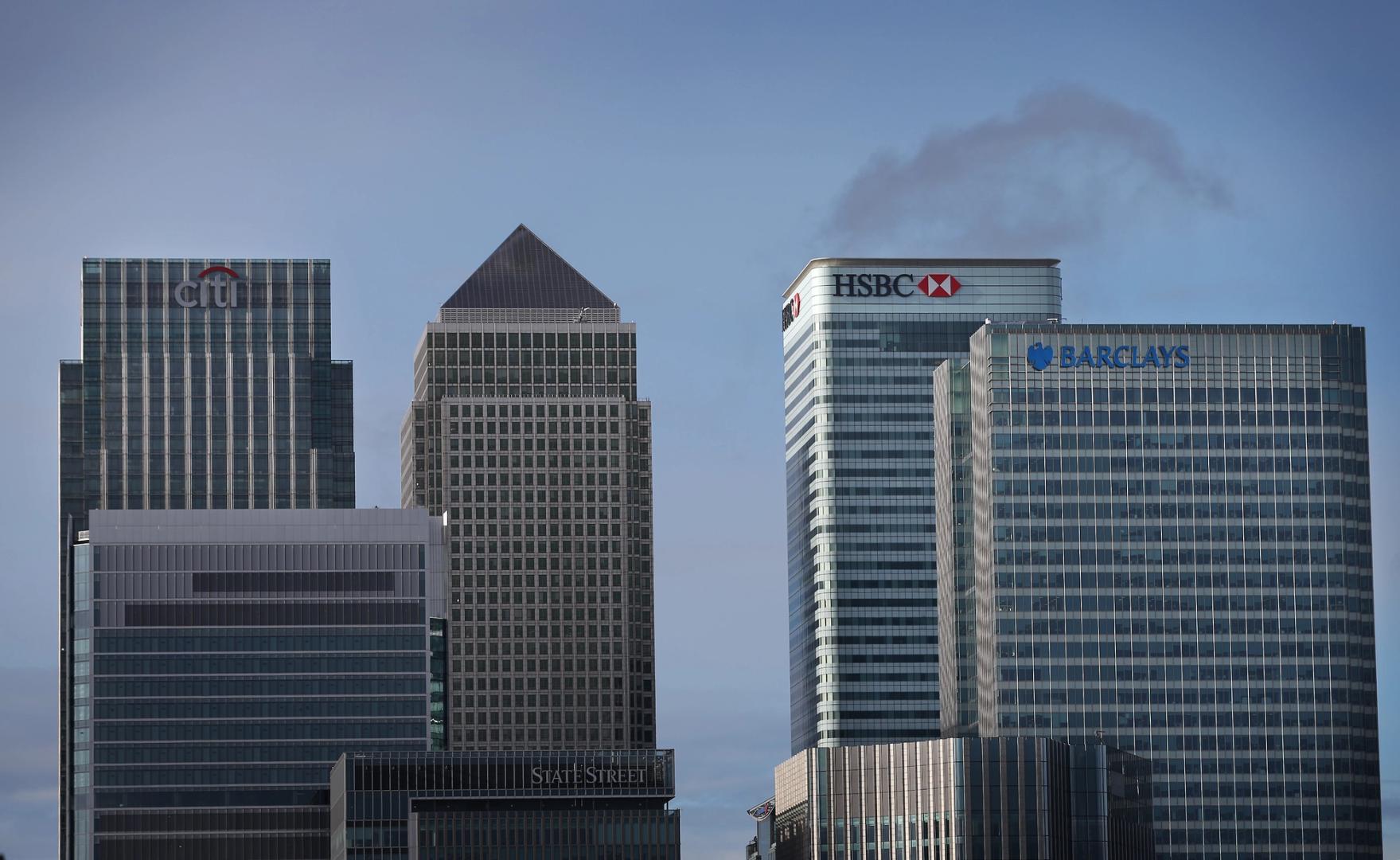
A Broadridge survey shows that 84% of financial firms now view tokenization as a strategic priority, with Wall Street accelerating efforts and betting on hybrid markets where digital and traditional assets coexist.