We use cookies for analytics and marketing to improve your experience and measure content. You can accept or decline non-essential cookies.
We use cookies for analytics and marketing to improve your experience and measure content. You can accept or decline non-essential cookies.
Cardano’s network shifted to version 11 on Saturday through the Van Rossem hard fork, marking the first upgrade approved by community voting rather than the development company.
The Crypto Frontiers Editorial Desk · Published July 20, 2026 at 3:00 PM UTC
Cardano’s network underwent a major upgrade on Saturday, moving to version 11 through the Van Rossem hard fork.
The Van Rossem hard fork, named after a notable figure in the Cardano ecosystem, was executed on Saturday and advanced the blockchain to version 11. A hard fork is a coordinated change to the network’s underlying code that requires all participants to adopt the new rules. By moving to version 11, Cardano incorporates a set of protocol improvements that were prepared by its development team.
For the first time in Cardano’s history, the upgrade was not imposed by the company that originally built the platform. Instead, the Cardano community cast votes to approve the hard fork. This marks a departure from a more centralized decision‑making process and aligns the network with broader trends in blockchain governance that emphasize stakeholder participation. The vote demonstrates that the community now holds a direct role in determining protocol upgrades.
Existing wallet providers, staking services, and node operators will need to update their software to the new version 11 release. Failure to do so could result in incompatibility with the upgraded network, potentially leading to missed staking rewards or transaction failures. Users are advised to follow official update instructions from their service providers and verify that their setups support the new protocol.
While the community vote sets a precedent, it remains unclear how future upgrades will be managed. Will every subsequent hard fork also require a community referendum, or will the process revert to a more mixed model? Additionally, the specific technical enhancements introduced in version 11 have not been detailed publicly, leaving analysts to monitor upcoming developer releases for concrete information. The evolution of Cardano’s governance model will likely influence both its technical roadmap and its appeal to investors seeking decentralized control.
In summary, the Saturday activation of the Van Rossem hard fork not only upgrades Cardano to version 11 but also introduces a new governance dynamic by empowering the community to approve protocol changes. Users should prepare for the software transition and watch for further developments that clarify the long‑term impact of this shift.
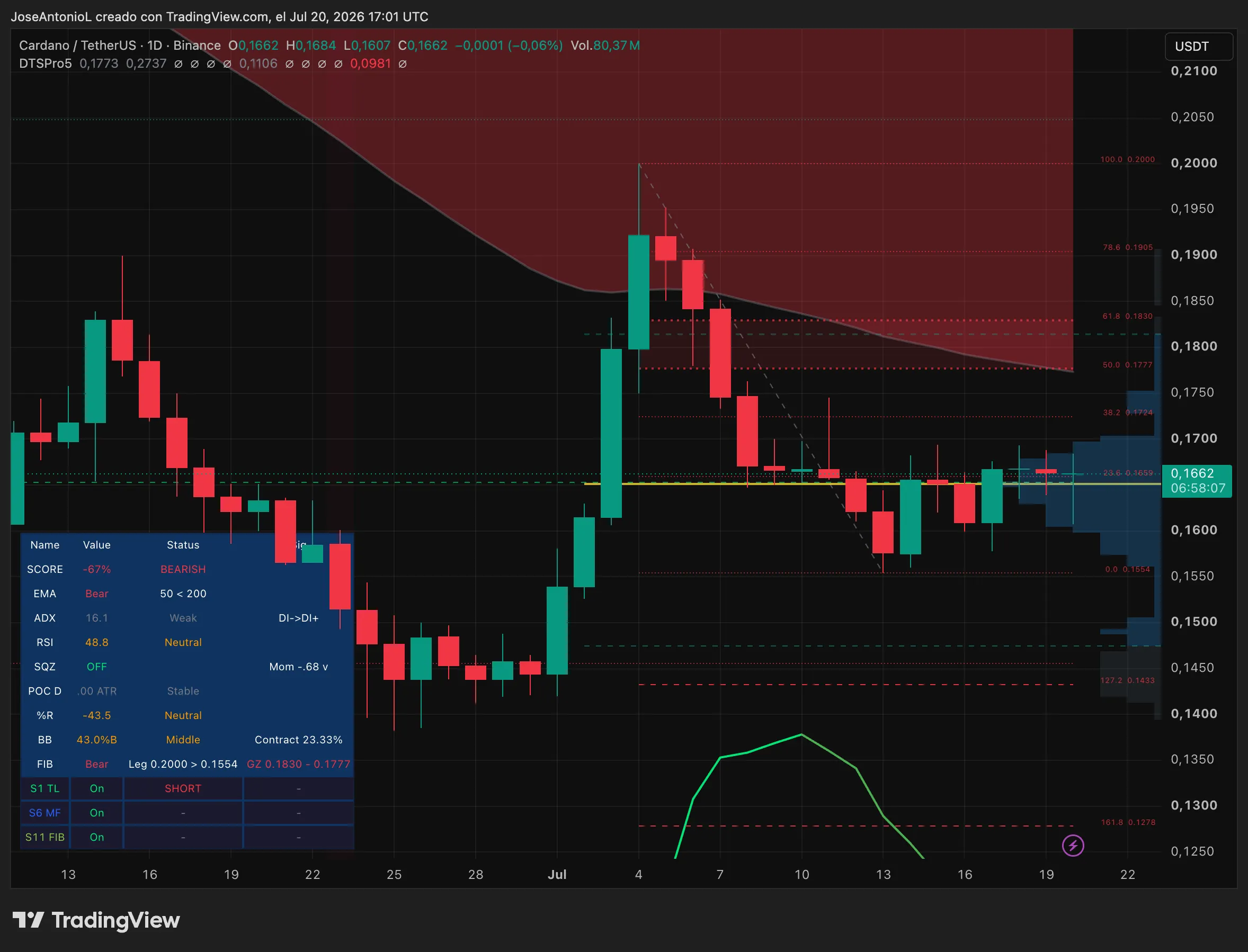
Cardano executed a hard fork on July 20, 2026, driven entirely by a community vote—the first time a major protocol update occurred without any company initiating the switch.
Jeremy Grantham labeled Bitcoin a useless, speculative asset, but recent data shows the cryptocurrency’s supply dynamics and the shift of illicit activity to stablecoins undermine his core arguments.