










Bank of Thailand audits USDT trades to curb illicit finance
The Bank of Thailand, in coordination with the U.S. SEC, is deploying data‑analytics tools to scrutinize high‑volume USDT transactions, aiming to combat illicit finance, according to a recent report.
The Crypto Frontiers Editorial Desk · July 13, 2026 at 9:43 AM UTC
Introduction
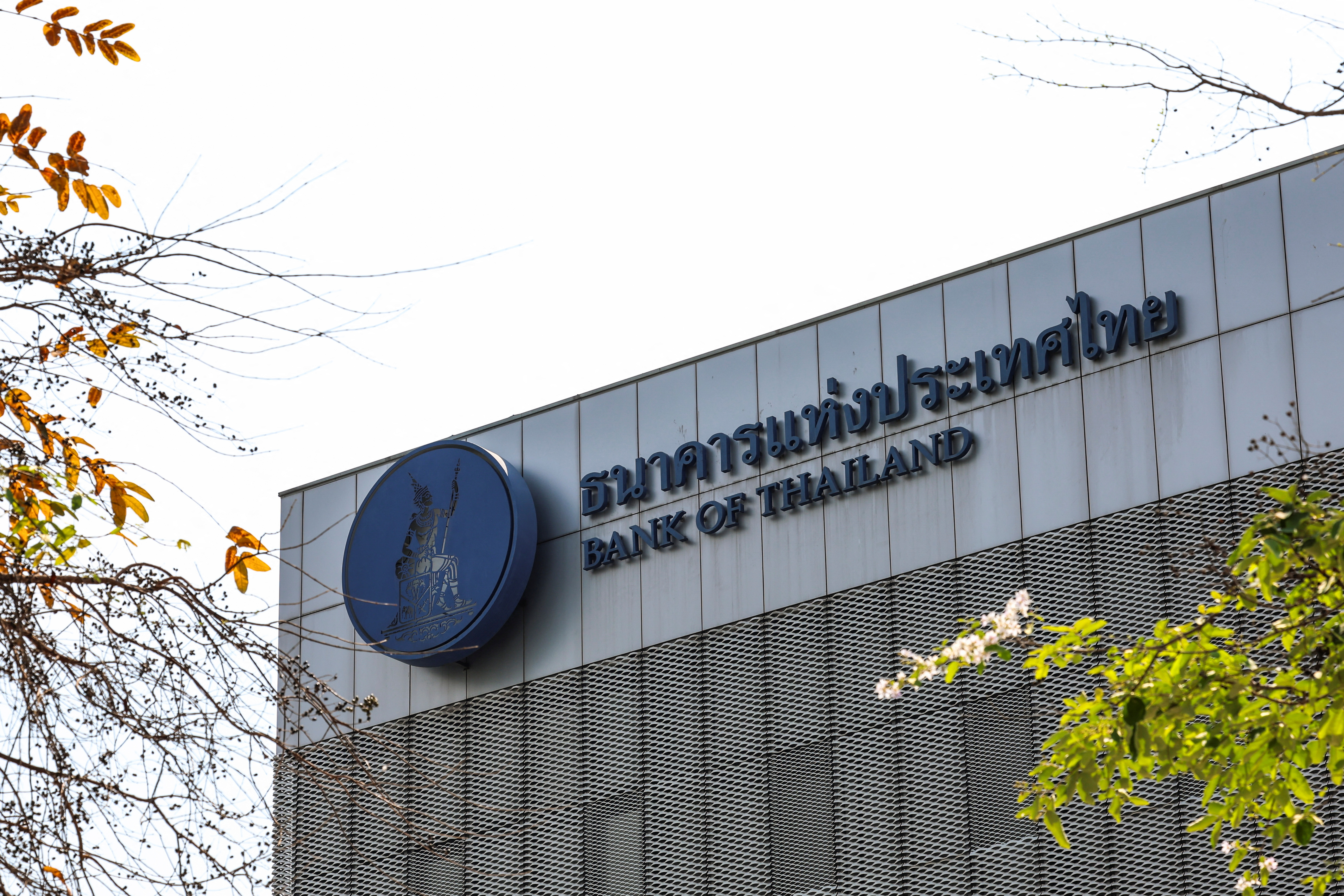
The latest report from The Block reveals that Thailand’s central bank and the U.S. Securities and Exchange Commission (SEC) have begun a joint effort to audit high‑volume stablecoin trades. Using advanced data‑analytics tools, the authorities are zeroing in on abnormal transactions involving Tether’s USDT, with the explicit goal of curbing illicit financial activity.

Background on stablecoin oversight
Stablecoins such as USDT have become integral to global crypto markets, offering a dollar‑pegged alternative that facilitates rapid transfers. Their widespread use, however, has attracted regulatory scrutiny because the same speed and anonymity that make them attractive for legitimate users can also be exploited for money‑laundering, fraud, and sanctions evasion. Central banks and securities regulators worldwide are therefore increasing their monitoring capabilities.
What the report confirms
According to the source article, the Bank of Thailand and the SEC are now employing data‑analytics platforms to identify “abnormal” USDT trades. The focus on USDT reflects its status as the most heavily traded stablecoin, making it a logical target for early‑stage oversight. The report does not disclose the specific analytical methods or the volume thresholds that trigger an investigation, but it emphasizes that the initiative is a coordinated response to potential illicit finance risks.
Potential implications for the crypto ecosystem
If the audits uncover patterns of suspicious activity, the findings could lead to tighter reporting requirements for exchanges handling USDT, as well as possible enforcement actions against entities that facilitate illicit flows. While the report stops short of detailing any immediate regulatory changes, the collaboration signals a growing willingness among regulators to share intelligence and tools across borders.
Remaining uncertainties and next steps
The article provides limited detail on the scope of the audits, the timeline for any resulting policy adjustments, or the specific outcomes the authorities expect. Consequently, market participants should monitor forthcoming announcements from the Bank of Thailand and the SEC for clearer guidance. Until more information is released, the exact impact on USDT liquidity and broader stablecoin markets remains uncertain.
Takeaway
The joint use of data‑analytics tools by the Bank of Thailand and the U.S. SEC marks a concrete step toward addressing illicit finance risks tied to high‑volume USDT trades. While the initiative’s effectiveness and regulatory consequences are still unfolding, the move underscores an increasing regulatory focus on stablecoins worldwide.