We use cookies for analytics and marketing to improve your experience and measure content. You can accept or decline non-essential cookies.
We use cookies for analytics and marketing to improve your experience and measure content. You can accept or decline non-essential cookies.
South Korea’s regulator has opened a sanctions process against Dunamu, but the country’s Virtual Asset User Protection Act does not spell out penalties for hacking or system breaches, leaving the outcome uncertain.
The Crypto Frontiers Editorial Desk · Published July 19, 2026 at 11:00 AM UTC · Updated July 19, 2026 at 11:00 AM UTC
South Korea’s financial watchdog has initiated a sanctions process against the crypto exchange operator Dunamu, according to a recent report.
The announcement that South Korea’s regulator is pursuing sanctions against Dunamu marks a notable development in the nation’s oversight of digital‑asset platforms. Dunamu, known for operating the Upbit exchange, has been a focal point of regulatory scrutiny following high‑profile security incidents in the sector. While the report does not detail the specific allegations prompting the sanctions, the initiation of formal proceedings signals the regulator’s intent to enforce compliance and address perceived shortcomings.
South Korea’s Virtual Asset User Protection Act (VAUPA) was enacted to safeguard investors and establish standards for virtual‑asset service providers. However, the legislation does not expressly outline sanctions for offenses such as hacking or failures of computer systems. This omission creates ambiguity regarding the range of punitive measures that can be applied when such incidents occur. The lack of explicit provisions means that regulators must rely on broader legal interpretations or ancillary statutes to determine appropriate penalties.
For Dunamu, the commencement of a sanctions process introduces operational and reputational risks. Uncertainty about potential penalties may affect its ability to attract users and partners, especially if investors perceive regulatory exposure as a threat to platform stability. More broadly, the case underscores a systemic issue: without clear sanctioning mechanisms, other crypto firms operating in South Korea could face similar regulatory uncertainty, potentially dampening sector growth and innovation.
Given the VAUPA’s silence on specific sanctions for hacking and system breaches, the exact outcome of the proceedings against Dunamu cannot be predicted with confidence. Authorities may issue guidance, propose amendments to the existing law, or invoke related statutes to fill the gap. Stakeholders will be watching for any legislative updates that clarify enforcement powers and define penalty structures, which could set precedents for future regulatory actions.
In summary, the regulator’s move against Dunamu highlights both an immediate enforcement action and a longer‑term challenge: the need for clearer legal language to address cyber‑related offenses within South Korea’s evolving crypto regulatory landscape.
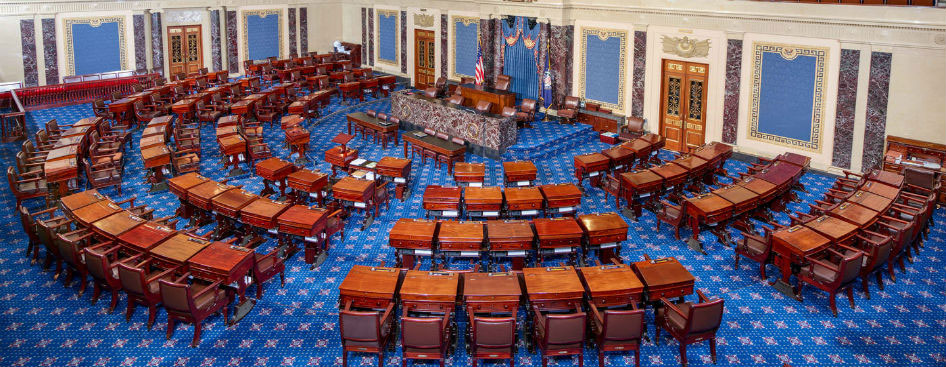
Some U.S. Senate Democrats have publicly opposed the crypto market structure bill, labeling it corrupt, and the bill requires many Democrats to pass.

South Korea is set to enact the Digital Asset Basic Act and move forward with a CBDC linked to tokenized government bonds, underscoring a continued blockchain focus amid rising AI interest.

Discussion among Democrats focuses on President Trump's personal gains in crypto market structure bill ethics provision