We use cookies for analytics and marketing to improve your experience and measure content. You can accept or decline non-essential cookies.
We use cookies for analytics and marketing to improve your experience and measure content. You can accept or decline non-essential cookies.
Vitalik Buterin unveiled a ‘vibe-codes’ anonymous billboard on Aztec that incorporates on-chain moderation, a censor role, and a local LLM flagging daemon.
The Crypto Frontiers Editorial Desk · Published July 20, 2026 at 12:00 PM UTC · Updated July 20, 2026 at 12:00 PM UTC
%20at%20a%20moderate%20aperture%20%E2%80%94%20real%2C%20believable%20optics%2C%20not%20an%20illustration%2C%203D%20render%2C%20painting%2C%20or%20cartoon.%20Compose%20around%20ONE%20real%2C%20physical%2C%20tangible%20focal%20point%20rendered%20in%20crisp%20detail%3A%20e.g.%20a%20single%20physical%20Bitcoin%2FEthereum%2FXRP%20coin%20on%20a%20surface%2C%20a%20server%20rack%2C%20a%20graphics%20card%2C%20a%20stack%20of%20hardware%2C%20a%20modern%20office-building%20exterior%2C%20a%20trophy%2C%20a%20single%20gaming%20keyboard%20or%20controller.%20Photograph%20the%20actual%20object%20the%20story%20is%20about%20%E2%80%94%20concrete%20and%20literal%2C%20never%20an%20abstract%20metaphor%20or%20generic%20%22tech%22%20montage.%20CRITICAL%20%E2%80%94%20this%20model%20cannot%20render%20text%20or%20logos%3A%20it%20produces%20garbled%20fake%20letters%20and%20invented%20brand%20marks.%20So%20the%20frame%20must%20contain%20NO%20readable%20text%2C%20NO%20screens%20or%20monitors%20showing%20UI%2C%20NO%20signage%2C%20NO%20logos%2C%20NO%20brand%20names%2C%20NO%20labels%2C%20NO%20watermarks%2C%20NO%20numbers%2C%20NO%20charts%2C%20NO%20user%20interfaces%20of%20any%20kind.%20Never%20depict%20a%20company%20logo%2C%20storefront%20sign%2C%20product%20screen%2C%20or%20branded%20surface%20%E2%80%94%20if%20a%20brand%2Fcompany%2Fproduct%20is%20the%20subject%2C%20show%20a%20neutral%20real-world%20physical%20object%20associated%20with%20its%20industry%20(hardware%2C%20a%20coin%2C%20a%20building%2C%20an%20arena)%20with%20all%20surfaces%20blank%20and%20unbranded.%20Keep%20the%20background%20simple%20and%20softly%20out%20of%20focus%20(shallow%20depth%20of%20field%2C%20gentle%20bokeh)%20so%20the%20single%20subject%20stays%20clean%20and%20uncluttered%20%E2%80%94%20no%20crowds%2C%20no%20group%20of%20people%2C%20no%20wall%20of%20screens.%20At%20most%20one%20person%2C%20shown%20only%20from%20behind%2C%20in%20silhouette%2C%20or%20partially%2Fturned%20away%20%E2%80%94%20never%20a%20clear%20identifiable%20face%2C%20and%20never%20a%20specific%20named%20real%20individual.%20A%20subject%20with%20no%20people%20at%20all%20is%20preferred%20when%20the%20story%20is%20about%20an%20object%2C%20asset%2C%20or%20company.%20Do%20not%20fabricate%20an%20event%2C%20action%2C%20relationship%2C%20endorsement%2C%20or%20emotional%20reaction%20not%20supported%20by%20the%20article.%20Do%20not%20present%20the%20image%20as%20documentary%20evidence%20of%20a%20specific%20real%20moment.%20Clean%2016%3A9%20editorial%20header%20composition%2C%20publication-ready%2C%20magazine-cover%20polish.%20Avoid%3A%20blur%2C%20motion%20blur%2C%20warped%20shapes%2C%20distorted%20geometry%2C%20extra%20fingers%2C%20deformed%20hands%2C%20low%20resolution%2C%20noise%2C%20jpeg%20artifacts%2C%20oversaturation%2C%20text%2C%20letters%2C%20watermark%2C%20logo%2C%20signature%2C%20cartoon%2C%20illustration%2C%203d%20render.?width=1344&height=704&nologo=true&seed=791124425&safe=true&model=flux)
Vitalik Buterin, co‑founder of Ethereum, recently showcased a prototype that merges anonymity with on‑chain content moderation.
The demonstration, carried out by Buterin, involved an anonymous billboard built on Aztec. The billboard allows users to post content without revealing their identities, yet the posted material can still be subject to moderation that is enforced on‑chain. This combination of anonymity and enforceable moderation is unusual in the current blockchain landscape, where most public postings are either fully traceable or entirely unmoderated.
Three core components underpin the prototype. First, the “vibe‑codes” mechanism encodes posting permissions and moderation rules directly into the transaction data. Second, a specific censor role is assigned the authority to intervene when the system flags content that may violate predefined standards. Third, a local large‑language‑model (LLM) daemon runs continuously to evaluate new posts, automatically flagging items that appear to breach the moderation criteria. All three elements operate within the Aztec environment, leveraging its on‑chain capabilities.
If the approach proves viable at scale, it could offer a template for other decentralized applications that wish to balance privacy with community standards. By embedding moderation logic into the blockchain, the system ensures that any enforcement action is transparent and immutable. Moreover, the use of an LLM daemon suggests a path toward automated, content‑aware moderation without relying on centralized oversight.
The prototype raises several unanswered questions. It remains unclear how the censor role is assigned and whether it can be decentralized or must be controlled by a single entity. The performance of the local LLM daemon under high‑volume traffic has not been demonstrated, leaving scalability as an open issue. Finally, the broader community has yet to assess the legal and ethical ramifications of on‑chain moderation applied to anonymous content. Continued experimentation and open‑source scrutiny will be essential to determine whether this model can move beyond a proof‑of‑concept.
In summary, Buterin’s “vibe‑codes” billboard offers a concrete illustration of how on‑chain moderation might coexist with user anonymity, though significant technical and governance challenges remain.
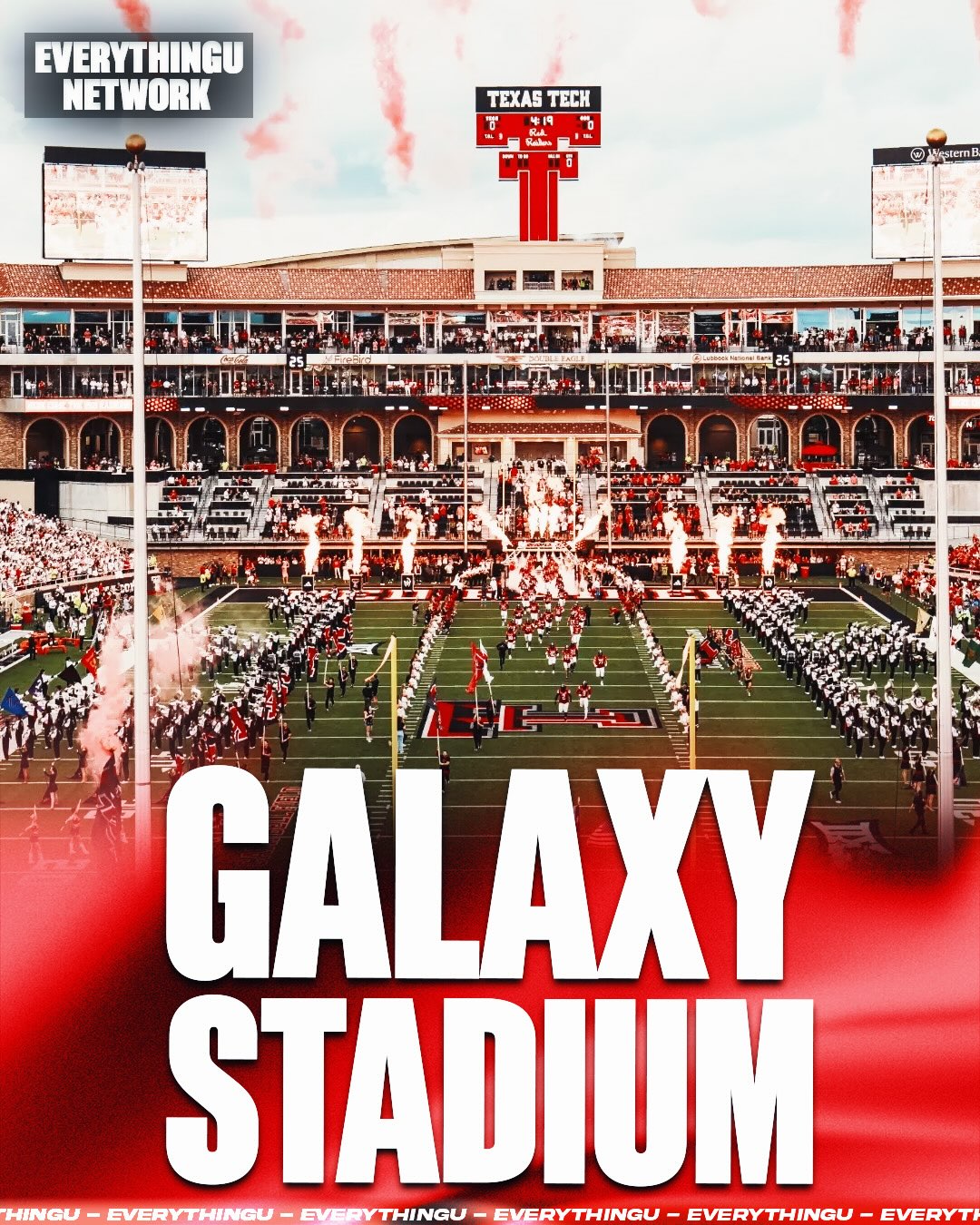
Galaxy, a Nasdaq‑listed digital‑asset firm, has secured a 15‑year naming‑rights agreement to rename Texas Tech’s football stadium as Galaxy Stadium, leveraging West Texas’ cheap power and open land.